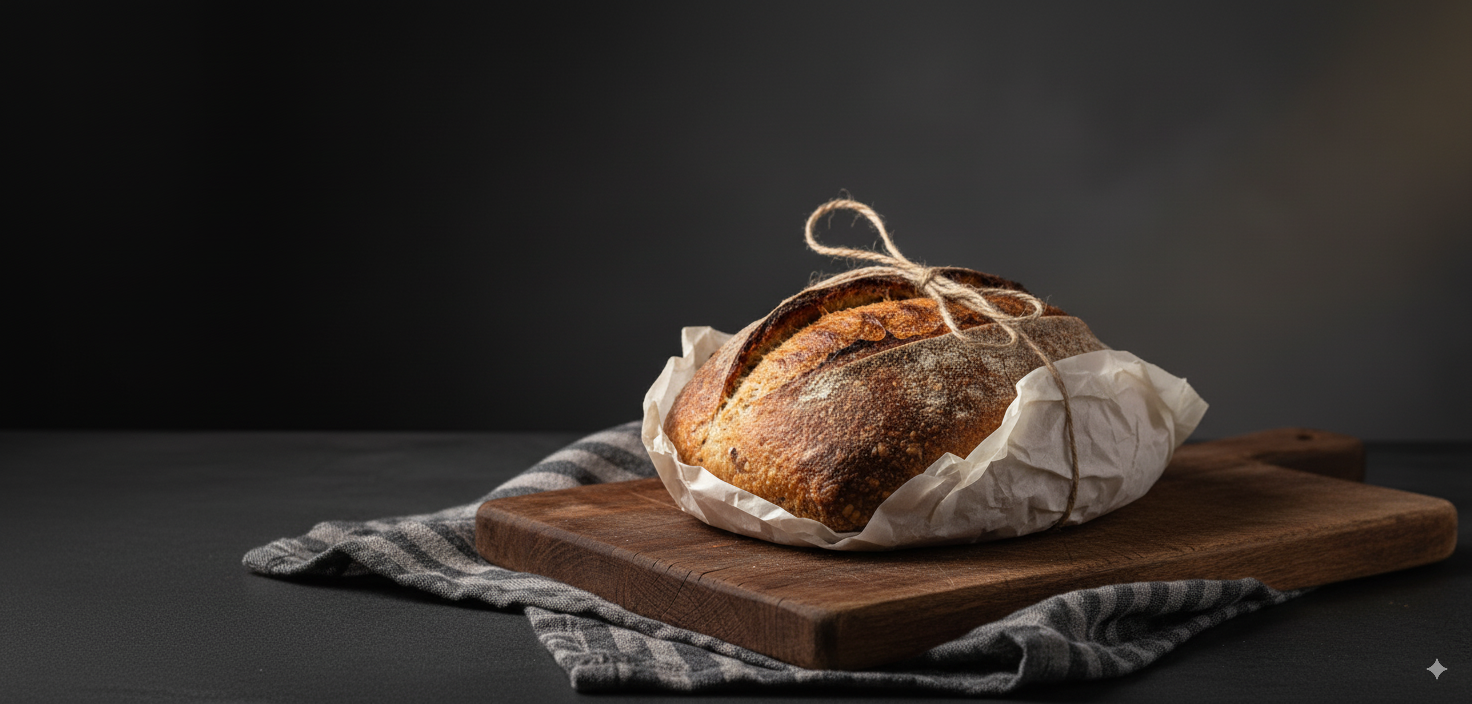
Sourdough Made Simple – One Loaf at a Time
Free guides, proven recipes, and sourdough calculators for every stage — from building your starter to diagnosing exactly why your last loaf went wrong.
Fix Your Sourdough
You are 2 minutes away from understanding what went wrong. Select your issue below to get instant diagnostic help.
01 Sticky, Unmanageable Dough
Top 3 Causes:
- Hydration is too high for your specific flour type.
- Dough is under-developed (needs more folds or longer autolyse).
- Over-fermentation has broken down the gluten structure.
02 Dense, Heavy Crumb
Top 3 Causes:
- Severely under-proofed (bulk fermentation was too short or cold).
- Starter was weak or not used at its absolute peak.
- Rough handling during shaping degassed the dough.
03 Flat Loaf (Spread Sideways)
Top 3 Causes:
- Over-proofed dough lost its structural integrity.
- Weak shaping tension during the final shape.
- Lack of steam or weak oven spring in the first 15 minutes of baking.
04 Gummy, Wet Inside
Top 3 Causes:
- You cut into the bread while it was still hot!
- Under-baked (internal temperature did not reach 208°F / 98°C).
- Oven was too hot, setting the crust before the inside could cook.
05 Starter Not Rising
Top 3 Causes:
- Water is too cold or contains chlorine/chloramine.
- Feeding ratios are incorrect (under-feeding or over-feeding).
- Storage temperature is too cold to promote active yeast growth.
06 No Oven Spring
Top 3 Causes:
- Missing or insufficient steam during the covered bake.
- Dough was over-proofed and had no remaining yeast power.
- Scoring was too shallow, preventing the dough from expanding.
Most Read on SourdoughStart
The guides our readers come back to most – and share most often.
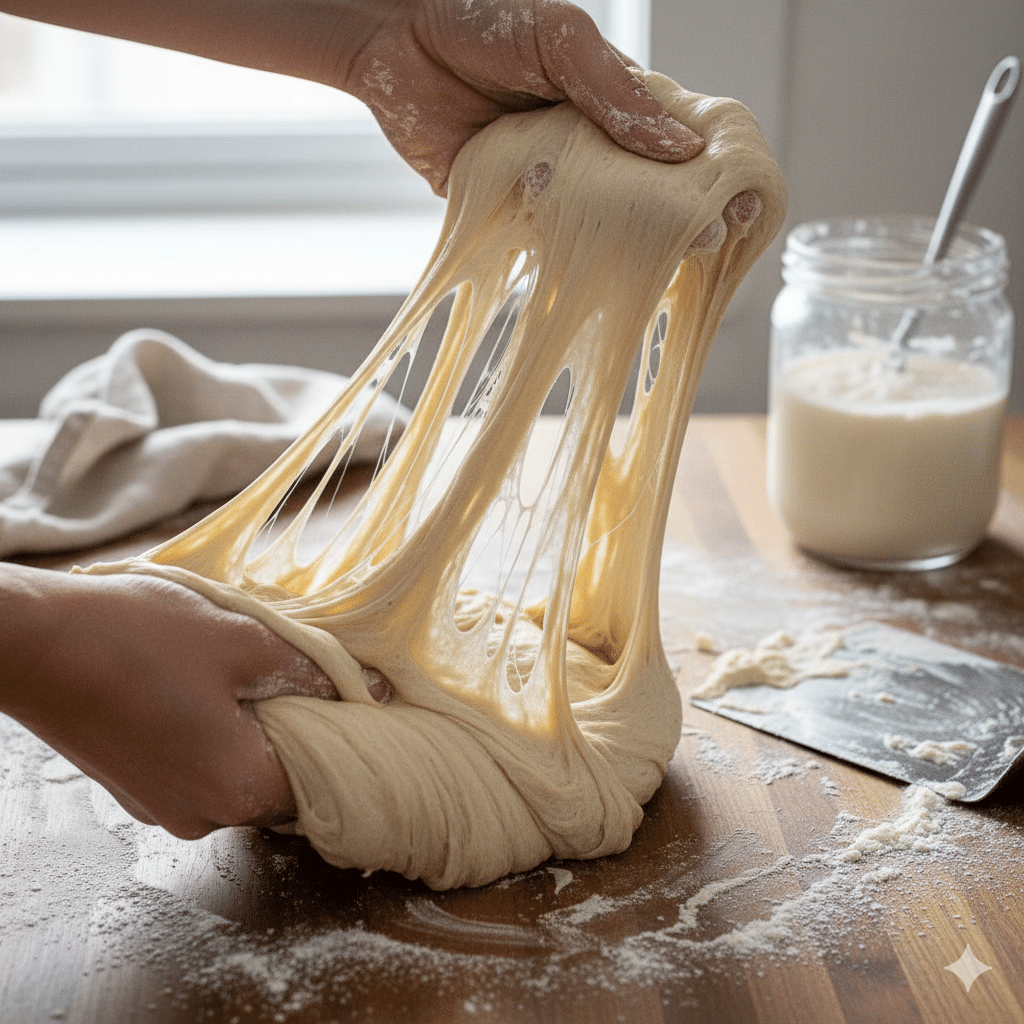
Sourdough Too Sticky?
Is your sourdough sticking to everything — your hands, the counter, the banneton, the bench scraper? You’re not doing anything wrong. Sticky dough is one of the most universal sourdough experiences, and it catches almost every beginner off guard.
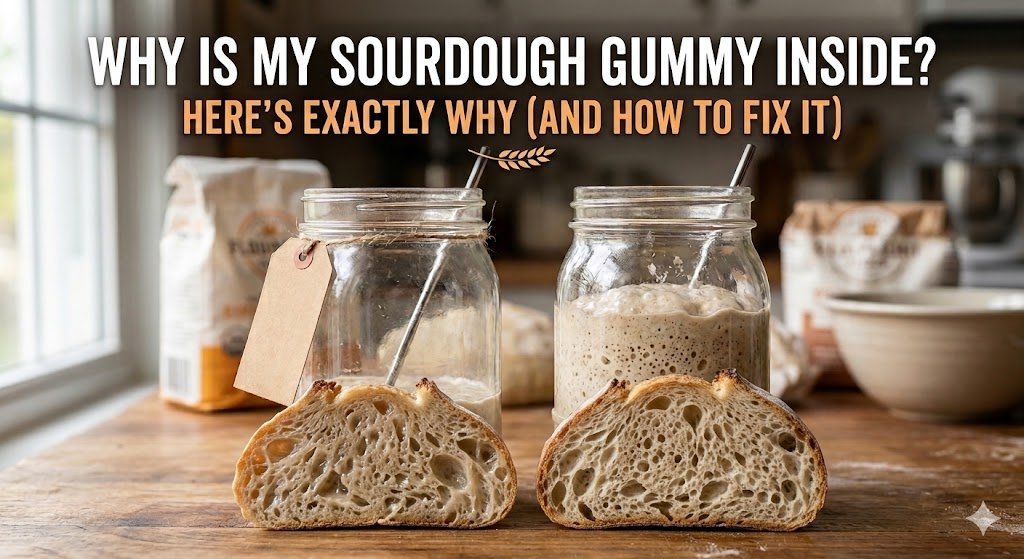
Why Is My Sourdough Gummy Inside?
You baked all day and cut into a wet, dense crumb. Here’s why it happened and how to fix it.
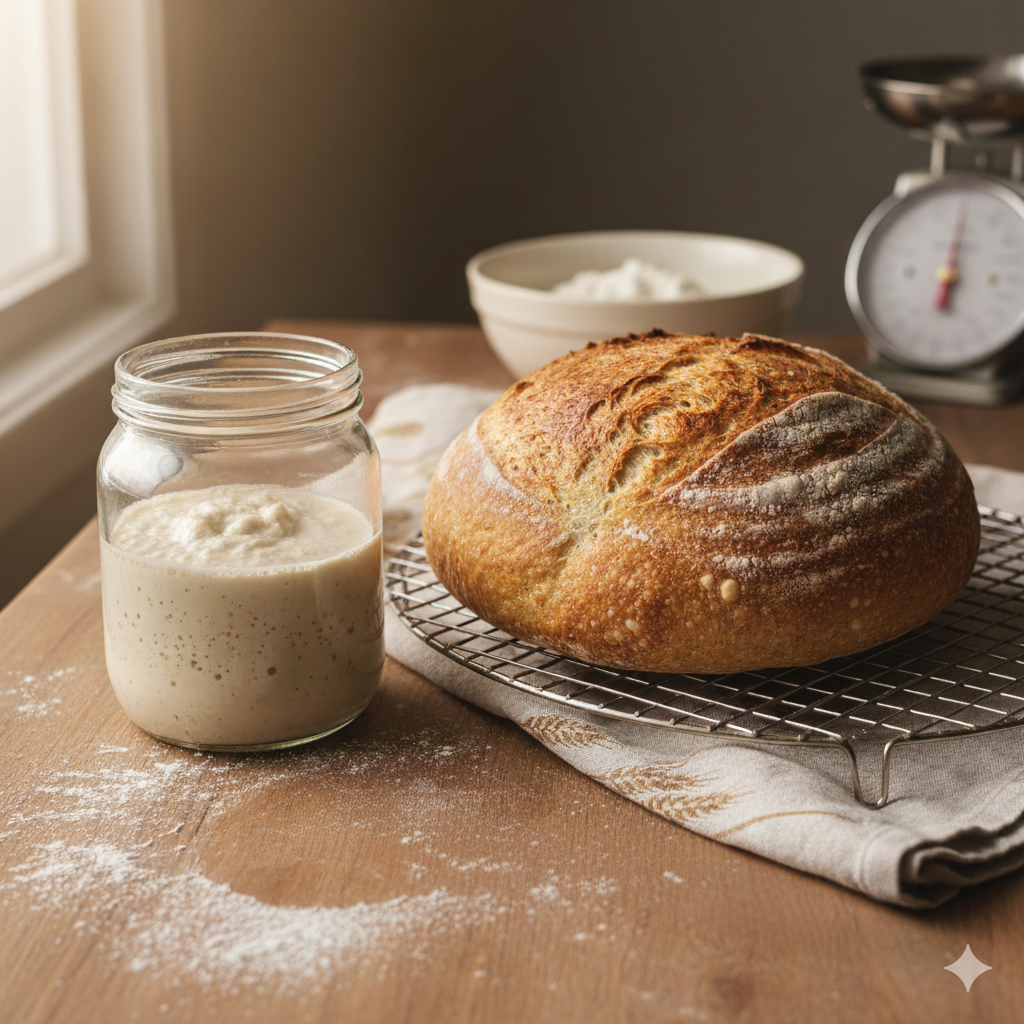
What I Wish I Knew Before My First Sourdough Loaf
The honest things nobody tells you before your first loaf – and what to do differently.
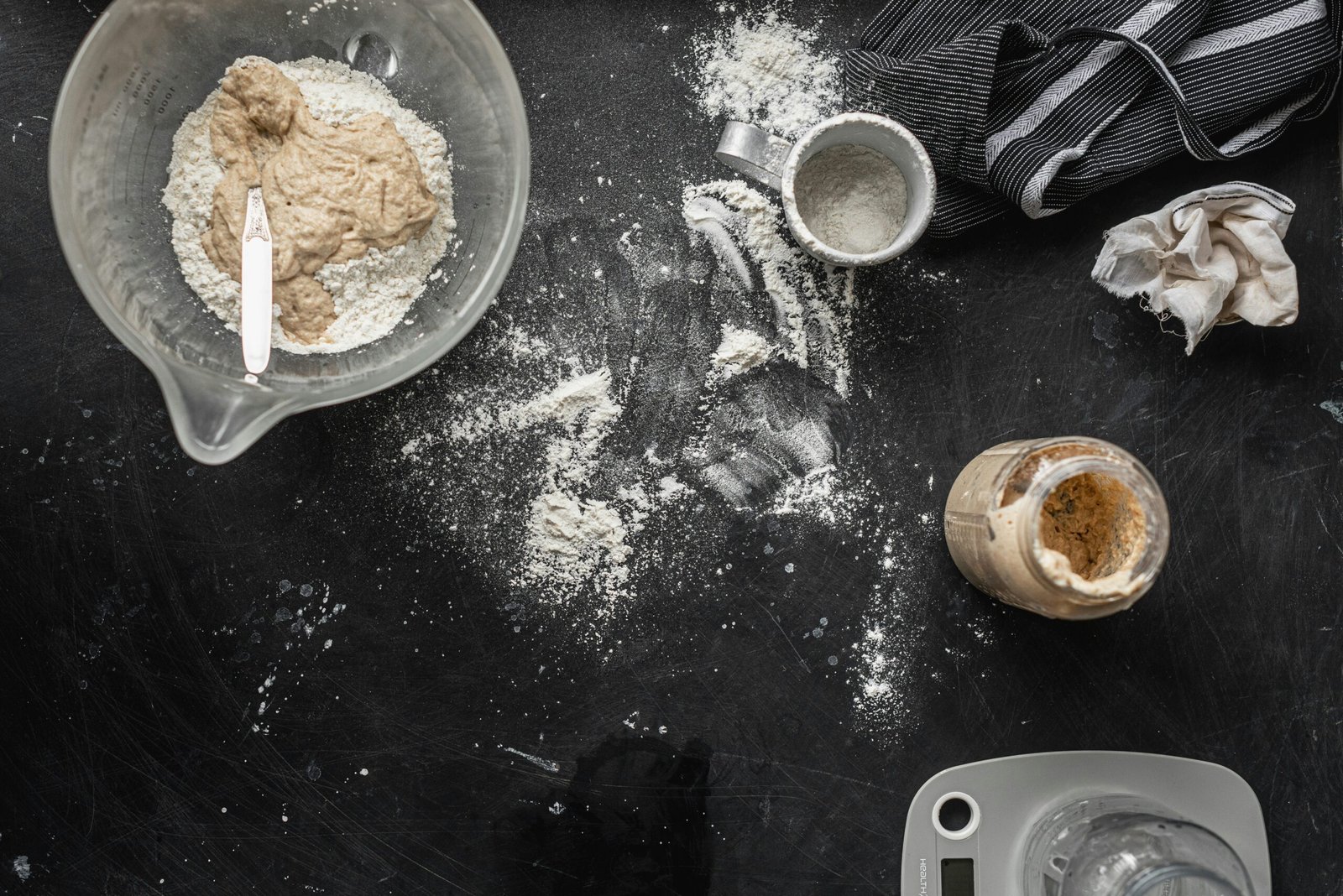
How to Build, Maintain & Store Your Sourdough Starter
A sourdough starter is the foundation of every loaf you’ll ever bake. Get it right, and everything else becomes easier. Get it wrong, and even the best recipe won’t save you.
What Brings You Here Today?
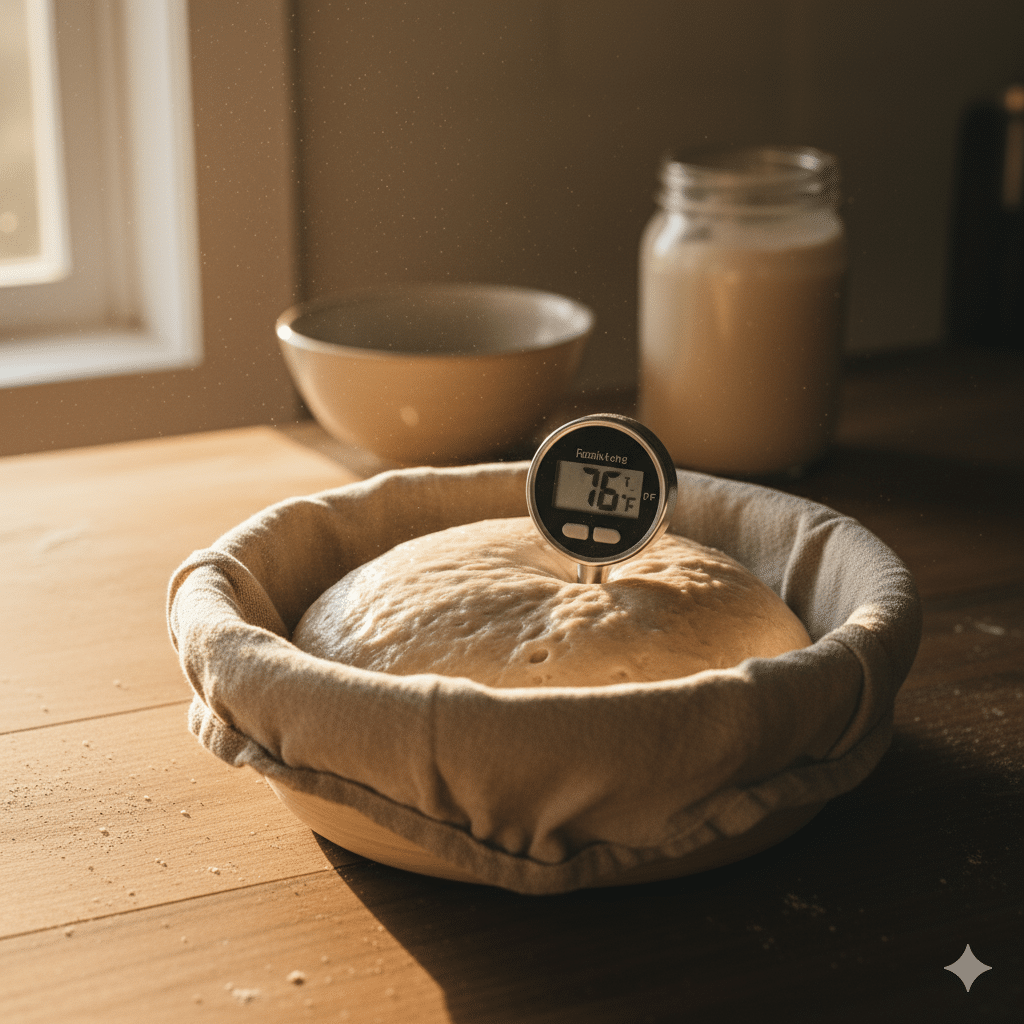
I’m Just Starting Out
Start with the basics — how to build a starter from scratch, understand the process, and bake your first successful loaf without the guesswork.
Something Went Wrong
Sticky dough, flat loaf, gummy crumb, no oven spring — every sourdough problem has a specific, fixable cause. Find yours in under a minute.
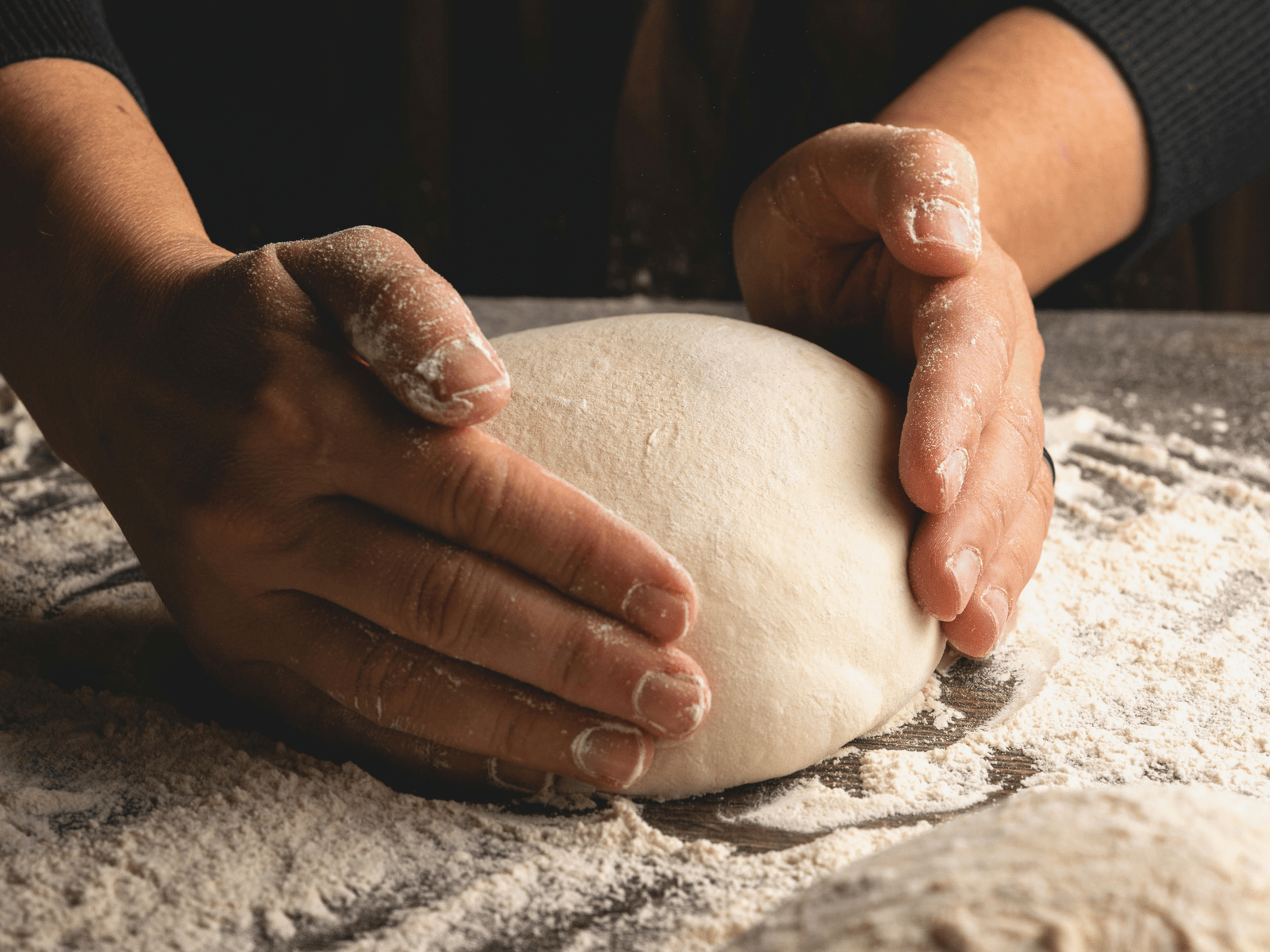
I’m Ready to Bake
From a simple everyday loaf to whole grain, gluten-free, and discard recipes — find your next bake in our growing collection.
Stop Guessing. Start Calculating.
These free tools take your actual conditions — kitchen temperature, starter health, flour type — and give you precise numbers for your bake.
Hydration Calculator
Calculate your true hydration percentage, including the flour and water in your starter.
Fermentation Matrix
Predict your bulk fermentation window based on kitchen temperature, starter strength, and flour type.
Bake Planner
Map your entire bake schedule — from starter feeding to cooling rack — around when you want to eat.