Understanding flour protein content for better bread
Why Protein Content Matters More Than the Brand Name
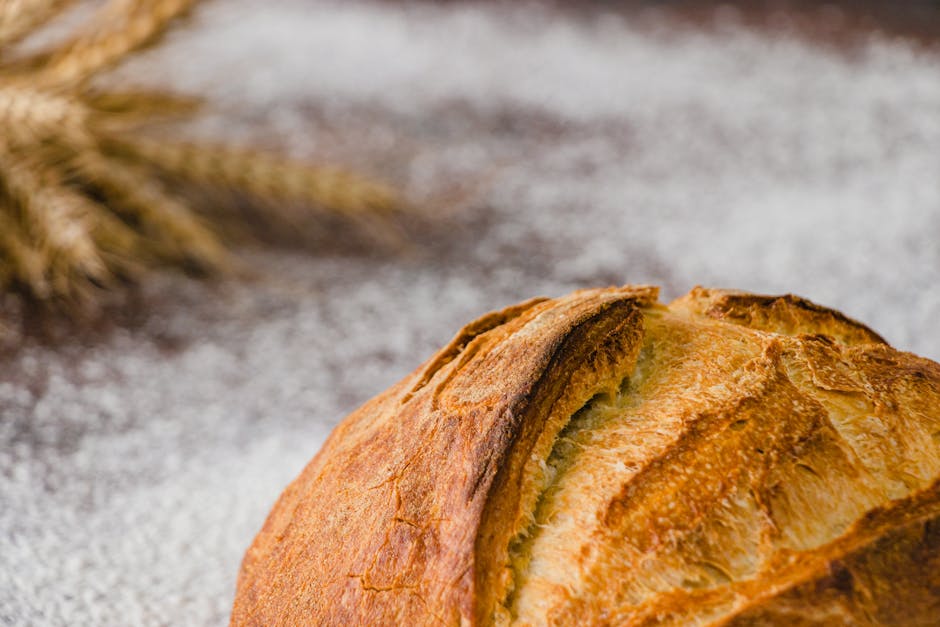
Walk into any American grocery store and you'll face a wall of flour options. King Arthur, Bob's Red Mill, Gold Medal, Pillsbury?the brands compete for shelf space with bold promises on their packaging. But beneath the marketing claims lies a single specification that determines how every one of those flours will perform in your bread: protein content.
After fifteen years running a bakery in Portland and now teaching home bakers full-time, I've watched countless students struggle with inconsistent results. They blame their kneading technique, their oven temperature, or the humidity in their kitchen. More often than not, the culprit sits quietly in their pantry?the wrong flour for the job they're asking it to do.
Protein content isn't just a number on a nutrition label. It's the structural blueprint of your bread. Understanding this single characteristic will give you more control over your baking than any expensive equipment or specialized technique ever could.
What Protein Actually Does in Your Dough
When flour meets water, two specific proteins?glutenin and gliadin?begin a transformation. These proteins exist as tightly coiled, individual strands within the wheat endosperm. Hydration causes them to unwind and link together, forming the elastic network we call gluten.
Glutenin provides strength and elasticity. It's what makes your dough snap back when you stretch it. Gliadin contributes extensibility?the ability to stretch without breaking. Together, they create a balanced network that can expand around gas bubbles while holding its shape.
Key relationship: Higher protein flour produces more gluten potential. More gluten potential means stronger dough structure. Stronger structure supports larger air pockets and higher-rising loaves?but also requires more development time and can become tough if mishandled.
This explains why your baguette recipe might fail spectacularly with all-purpose flour, or why your tender sandwich bread turns rubbery when you swap in bread flour. The protein content predetermined the outcome before you even turned on your oven.
US Flour Classification: The Numbers That Matter
The United States uses a protein-based classification system that differs significantly from European standards. Where French bakers reference Type 55 or Type 65 flour based on ash content, American flour is categorized by protein percentage. This creates both clarity and confusion?clarity because the number directly relates to bread performance, confusion because different mills can label similar products differently.
Here's how the major categories break down across typical American grocery store and specialty brands:
| Flour Type | Protein Range | Typical Brands (US) | Best Applications |
|---|---|---|---|
| Cake Flour | 6.0% ? 8.0% | Swans Down, Softasilk | Pastries, cakes, tender biscuits |
| Pastry Flour | 8.0% ? 9.0% | Bob's Red Mill Pastry | Pie crusts, cookies, scones |
| All-Purpose (Bleached) | 8.5% ? 10.0% | Gold Medal, Pillsbury | Quick breads, cookies, pancakes |
| All-Purpose (Unbleached) | 10.5% ? 11.7% | King Arthur, Gold Medal Unbleached | Sandwich bread, rolls, pizza |
| Bread Flour | 11.5% ? 12.7% | King Arthur Bread, Bob's Red Mill | Artisan loaves, bagels, pretzels |
| High-Gluten Flour | 13.0% ? 14.5% | King Arthur High-Gluten, Sir Lancelot | Bagels, strudel, extra-chewy breads |
| Whole Wheat | 11.0% ? 14.0% | Various (varies by brand) | Whole grain breads, hearty loaves |
Notice the significant overlap between unbleached all-purpose and bread flour. This isn't an accident?it reflects how these flours perform in real baking situations. A high-quality unbleached all-purpose flour like King Arthur (11.7% protein) can often substitute for bread flour in recipes calling for moderate structure development.
Pro Tip: When a recipe specifies "bread flour" without further qualification, assume it's calling for something in the 12% protein range. If you only have all-purpose flour, reduce your hydration by 2-3% to compensate for the lower gluten-forming potential. Conversely, substituting bread flour for all-purpose in a tender quick bread will yield a tough, rubbery result?don't do it.
The Bleached Versus Unbleached Distinction
American flour labeling creates another layer of complexity through the bleaching process. Bleaching isn't just about color?it fundamentally alters how the flour behaves.
Bleached flour undergoes chemical treatment (typically with benzoyl peroxide or chlorine gas) that whitens the flour and accelerates the aging process. Freshly milled flour produces weak, sticky dough because the proteins haven't matured. Historically, flour needed months of storage to develop properly. Bleaching achieves this maturation artificially within days.
Chlorination, used specifically for cake flours, does more than whiten?it modifies the starch granules to carry more moisture and weakens the gluten-forming proteins. This creates the tender, fine-crumbed texture essential to layer cakes but disastrous to bread.
Unbleached flour ages naturally through oxidation during storage. This preserves the protein's full strength while developing the characteristic creamy color. For bread baking, unbleached flour consistently outperforms bleached alternatives because the gluten-forming proteins remain intact and at full potential.
Practical takeaway: Never use bleached all-purpose flour for yeast breads. The 8.5-10% protein content combined with the bleaching treatment will produce loaves with poor structure, minimal oven spring, and a dense, cake-like crumb. Reserve bleached AP flour for cookies, pancakes, and quick breads where tenderness matters more than rise.
Reading Between the Lines of Flour Labels
USDA regulations require flour packaging to display nutritional information, but the protein percentage listed on the nutrition facts panel requires interpretation. The percentage shown reflects grams of protein per serving divided by serving size in grams?but this number can vary slightly from the mill's actual specification due to rounding and batch variation.
More reliable information often appears on the flour company's website rather than the package itself. King Arthur, Bob's Red Mill, and other specialty mills publish detailed specifications including protein content, ash content, and absorption rates. commodity brands like Gold Medal and Pillsbury provide less detailed information, reflecting their position as general-purpose products.
When evaluating a new flour for bread baking, look for these indicators:
- Protein content listed as a percentage (not just grams per serving)
- Unbleached designation clearly stated
- Malted barley flour in the ingredients (improves yeast activity and browning)
- Enrichment details (iron, niacin, thiamine, riboflavin, folic acid)
- Package weight and lot number (indicates quality control tracking)
- Best-by date (fresh flour performs better)
Matching Flour to Bread Style: A Practical Framework
Not every bread needs maximum protein. In fact, some of the world's most celebrated breads rely on moderate protein flour to achieve their characteristic texture. Understanding which flour suits which bread style eliminates much of the trial-and-error that frustrates new bakers.
Sandwich Bread and Soft Rolls
Target protein: 10.5-11.5%
Sandwich bread needs enough structure to hold slices intact but not so much chew that it fights against the fillings. Unbleached all-purpose flour in the 10.5-11% range produces the ideal tender-yet-structured crumb. Adding milk powder, fat, or eggs further tenderizes the crumb, so starting with moderate protein flour prevents the bread from becoming tough.
Artisan Sourdough and Rustic Loaves
Target protein: 11.5-12.5%
Open crumb structure with large, irregular holes requires dough that can expand dramatically without tearing. The long fermentation typical of sourdough develops gluten over time, so starting with 12% protein flour provides the raw material for that development. Higher protein (13%+) can actually work against open crumb by creating such a strong network that it resists expansion.
Bagels, Pretzels, and Chewy Breads
Target protein: 13-14%
These dense, chewy breads demand maximum gluten development. The boiling step for bagels and pretzels sets the exterior crust before baking, but the interior texture depends on high-protein flour creating a tight, chewy crumb. Standard bread flour will produce acceptable bagels, but high-gluten flour delivers the authentic dense chew that distinguishes a great bagel from a roll with a hole.
Pizza and Flatbreads
Target protein: 12-13%
Pizza dough needs to stretch thin without tearing and hold its shape when topped. The gluten network must be strong enough to prevent the dough from shrinking back during shaping but not so elastic that it becomes difficult to extend. Bread flour around 12% protein hits this balance. For Neapolitan-style pizza with its characteristic leopard-spotted crust and tender chew, Italian 00 flour (typically 11-12% protein) is traditional, but American bread flour produces excellent results.
Pro Tip: The "00" designation on Italian flour refers to grind fineness, not protein content. Italian 00 flour can range from 8% protein (for pasta and pastry) to 12%+ (for bread). Don't assume that buying 00 flour means you're getting bread flour?check the protein specification. Many American pizzerias use a blend of bread flour and 00 flour to balance strength with the tender chew characteristic of Italian flour.
Whole Wheat Complexity: Bran, Germ, and Protein
Whole wheat flour complicates the protein discussion because the bran and germ introduce variables absent in refined flour. While the protein content of whole wheat often measures higher than white flour (12-14% is common), the actual gluten-forming potential is lower.
Bran particles act like tiny razor blades within the dough, cutting through gluten strands as the dough develops. This is why 100% whole wheat bread tends toward dense, compact loaves despite the high protein content. The germ contains oils that go rancid over time and interfere with gluten formation.
Successful whole wheat bread requires technique adjustments beyond flour selection:
Hydration must increase to soften the bran. A white flour dough at 75% hydration might need 85-90% hydration when made with whole wheat. The autolyse technique?mixing flour and water 30-60 minutes before adding salt and yeast?allows the bran to hydrate fully and reduces its cutting action on the developing gluten.
Whole wheat strategy: Most artisan bakeries use a blend of whole wheat and white flour rather than 100% whole wheat. A typical "whole wheat" loaf might contain 40-60% whole wheat flour with the remainder high-protein white flour. This provides whole grain flavor and nutrition while maintaining the open crumb and good rise that customers expect. For 100% whole wheat bread, accept that the loaf will be denser?this isn't a failure, it's the honest character of the grain.
Regional American Flour Brands Worth Knowing
The consolidation of American milling has left a handful of national brands dominating grocery shelves, but regional mills still produce distinctive flours that reflect their local wheat sources. These smaller mills often provide detailed specifications that help bakers make informed choices.
King Arthur Baking Company (Norwich, Vermont) sets the standard for consistency and specification transparency. Their unbleached all-purpose flour maintains a consistent 11.7% protein content across all bags and regions. This reliability makes it the default recommendation for American bakers?they know exactly what they're getting. Their bread flour (12.7% protein) and high-gluten flour (14.2% protein) give bakers options for specific applications.
Bob's Red Mill (Milwaukie, Oregon) offers an extensive line of specialty flours including their excellent artisan bread flour (12% protein) and whole grain options. Their stone-ground whole wheat flour has a coarser texture than roller-milled alternatives, producing bread with more pronounced whole wheat flavor and slightly denser texture.
Central Milling (Petaluma, California) supplies many West Coast artisan bakeries and sells directly to consumers through their website. Their Type 85 and High Extraction flours bridge the gap between white and whole wheat, retaining more of the wheat's nutrients while excluding enough bran to maintain good gluten development.
Wheat Montana (Three Forks, Montana) produces flour from wheat grown on their own farms, giving them complete control from field to bag. Their Prairie Gold whole wheat flour is noted for sweet, mild flavor from their specific wheat variety.
"The flour you choose sets the ceiling for your bread's potential. No amount of technique can overcome the limitations of a flour that lacks the protein to support the structure you're trying to build. But the right flour doesn't guarantee success?it just gives you a fighting chance."
? Daniel Leader, founder of Bread Alone bakery, from his book Local Breads
Testing Flour at Home: When You Need to Know More
Sometimes you inherit flour from a friend, find an unlabeled bag in the back of your pantry, or want to verify that a new brand performs as expected. Several home tests can give you insight into flour characteristics without laboratory equipment.
The Water Absorption Test
Measure 100 grams of flour into a bowl. Add water gradually while mixing until you achieve a cohesive, medium-soft dough. Record the water amount. Higher protein flour absorbs more water to reach the same consistency. A flour that needs 60-65 grams of water is likely in the all-purpose range. One needing 70-75 grams is likely bread flour or higher. This test is relative rather than absolute, but comparing flours this way reveals their relative strength.
The Gluten Wash Test
Mix 100 grams of flour with enough water to form a dough (about 60-65 grams). Let it rest for 30 minutes. Hold the dough under running water and knead gently. The starch will wash away, leaving behind the gluten network. Weigh the remaining gluten ball. Higher protein flour yields more gluten mass. This test takes about 10-15 minutes of washing and gives a direct, tangible demonstration of gluten content.
The Bake Test
Ultimately, flour performance matters in the finished bread. Bake the same simple recipe with different flours and compare results directly. A single-loaf test recipe using 500g flour, 375g water, 10g salt, and 7g instant yeast will reveal differences in dough handling, rise, and final texture. Take notes on how each dough feels during mixing and shaping, how much it rises during proofing, and the crumb structure after baking.
Building a Rational Flour Pantry
Home bakers often accumulate flour like they're preparing for an apocalypse. Five-pound bags of various brands jostle for space, half-used packages spill onto shelves, and the oldest flour slowly deteriorates in the back. A more rational approach serves both your bread quality and your storage space.
For most home bread bakers, two flours cover 90% of situations:
Primary flour: A high-quality unbleached all-purpose flour around 11-12% protein. King Arthur Unbleached All-Purpose (11.7%) or Gold Medal Unbleached (10.5-11%) provide consistent results. This flour handles sandwich bread, rolls, rustic loaves, pizza, and most daily baking.
Secondary flour: Either bread flour (12-12.7% protein) for when you need extra structure, or whole wheat flour for whole grain baking. Choose based on what you bake most often. If you make bagels weekly or love extra-chewy rustic loaves, bread flour is your secondary. If you prefer whole grain sandwich bread, whole wheat fills that role.
From this base, add specialty flours only when a specific need arises. Rye flour for pumpernickel and rye breads. High-gluten flour if you get serious about bagels. Semolina flour for pasta. Each specialty flour should have a planned use?don't buy it just because it's interesting.
Store all flour in airtight containers, ideally in a cool, dark location. Whole wheat flour benefits from refrigerator or freezer storage to prevent the germ oils from going rancid. White flour keeps well at room temperature for 6-12 months, though fresh flour (within 3-4 months of milling) performs marginally better than flour at the end of its storage life.
Troubleshooting Through the Flour Lens
When bread fails, flour is rarely the first factor bakers consider. Yet many common problems trace back to flour selection or condition. Here's how to diagnose issues through the flour perspective:
Dense, low-rising loaf despite proper proofing: Protein content too low for the recipe, or the flour is old and the proteins have degraded. Try higher-protein flour or fresher flour.
Dough tears during shaping, won't hold shape: Underdeveloped gluten, which could mean low protein flour that can't develop sufficient strength, or insufficient mixing/kneading time for the flour's protein level.
Dough is slack and sticky despite correct hydration: Could be low protein flour that can't absorb the water called for in the recipe, or damaged flour proteins from improper storage.
Bread has tough, rubbery texture: High protein flour used where moderate protein was appropriate, or the dough was overworked for the flour type.
Whole wheat bread is extremely dense: Bran interfering with gluten development. Increase hydration, use autolyse, or blend with white flour.
Understanding flour protein content won't solve every baking problem, but it provides a foundation for consistent improvement. When you know what your flour can do, you can adjust your technique to match its capabilities rather than fighting against its inherent nature. This knowledge transforms flour from a commodity ingredient into a tool you can select and use with intention.