Regional American bread traditions
Regional American Bread Traditions: A Practical Guide for the Home Baker
Walk into a bakery in rural Vermont, and you'll find dense, molasses-sweetened loaves that have changed little in two centuries. Cross the country to a San Francisco storefront, and the air carries the sharp tang of a sourdough starter that might predate Prohibition. Travel through the Southwest, and you'll encounter flatbreads cooked on griddles or fried in lard, traditions that stretch back millennia.
American bread baking is not a single tradition. It is a patchwork of regional practices, immigrant adaptations, and local ingredient solutions that developed in response to climate, agriculture, and cultural necessity. For the home baker seeking to understand craft bread, these regional traditions offer more than historical curiosity?they provide practical frameworks for working with local grains, adapting to kitchen conditions, and building flavor through time-tested methods.
New England: Molasses, Cornmeal, and Resourceful Baking
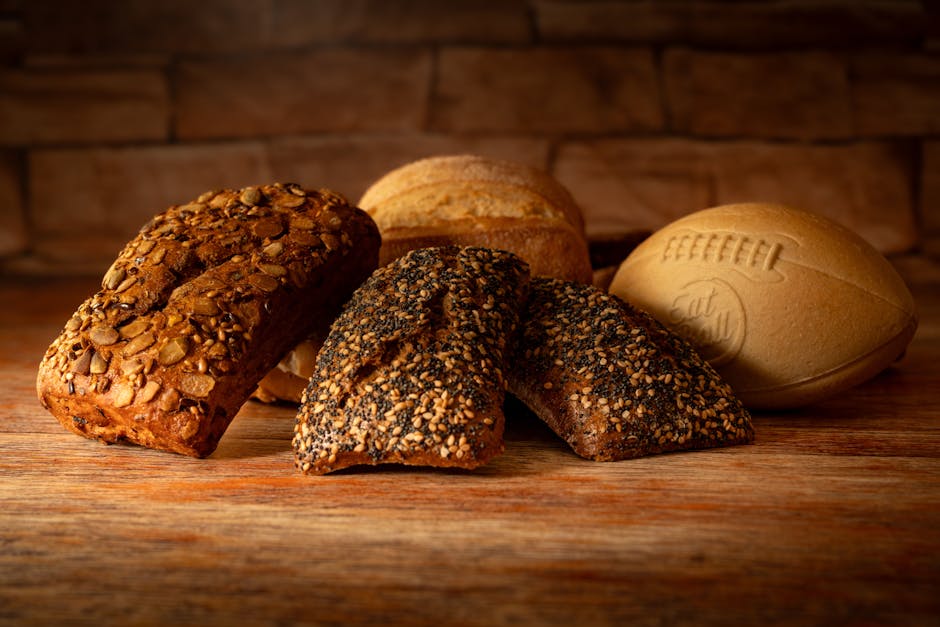
New England bread traditions emerged from practical necessity. Early settlers faced short growing seasons and limited wheat supplies. Rye and corn became staples, and molasses?imported through the triangular trade routes?provided sweetness when sugar was scarce.
Anadama bread stands as the region's most distinctive contribution to American baking. The standard formula combines cornmeal, molasses, and wheat flour into a slightly dense, moderately sweet loaf. The name's origin is disputed?one popular story blames a fisherman named Anna for her husband's frustration with yet another cornmeal-molasses porridge, prompting him to add flour and yeast in exasperation. Whether apocryphal or not, the bread itself remains a practical lesson in combining grains for both flavor and function.
Key Data Point: Traditional Anadama bread formulas typically use a 2:1 ratio of wheat flour to cornmeal by weight. This proportion provides enough gluten structure for a risen loaf while allowing the cornmeal to contribute its characteristic texture and sweetness. Modern adaptations that increase cornmeal beyond this ratio often produce dense, crumbly loaves unsuitable for sandwich use.
The practical home baker can learn from New England's approach to soaker techniques. Traditional Anadama recipes pour boiling water over cornmeal and lets it sit overnight. This hydrates the coarse grain, preventing the gritty texture that results from adding dry cornmeal directly to dough. The technique applies broadly?any coarse grain benefits from pre-hydration.
Pro Tip: When working with cornmeal in bread dough, always use a soaker. Combine cornmeal with an equal weight of boiling water, cover, and let sit for at least 4 hours or overnight. This gelatinizes the starches and eliminates grittiness. For a 500-gram flour batch, try 60 grams of cornmeal soaked in 60 grams of water?this adds subtle sweetness and golden color without compromising structure.
New England also contributed Boston brown bread, a steamed loaf combining rye, cornmeal, and whole wheat flour with molasses and raisins. Traditional recipes call for baking in metal cans?the ancestor of the modern "baked in the can" marketing still seen on some commercial products. Steaming produces a dense, moist crumb that keeps for extended periods, a practical advantage in pre-refrigeration households.
Practical Applications for Modern Bakers
The New England tradition teaches several transferable techniques:
- Multi-grain hydration management: Different grains absorb water at different rates. Rye absorbs less than wheat; cornmeal requires pre-hydration. Account for these differences when calculating dough hydration.
- Molasses as more than sweetener: Molasses contributes acidity that can strengthen dough, minerals that feed yeast, and a distinct flavor that persists through baking. Use unsulfured molasses for milder flavor, blackstrap for intensity.
- Steaming as alternative to oven baking: Dense, low-gluten doughs often benefit from steaming. Use a large pot with a steamer basket, and steam for 2-3 hours until a tester comes out clean.
- Long fermentation for flavor development: Traditional New England breads often used overnight rises, allowing wild yeast and bacteria to develop complexity before baking.
The American South: Biscuits, Cornbread, and the Griddle Tradition
Southern bread culture diverges sharply from European loaf traditions. The region's wheat?historically soft, low-protein varieties grown in Virginia and the Carolinas?produced poor bread flour but excellent biscuits. Corn, better suited to the Southern climate, became the foundation for an entire category of quick breads.
Southern biscuits represent a technical achievement worth studying. The goal is a lean dough (minimal sugar and fat) that rises through chemical leavening and steam, producing distinct layers without the laminating technique used for puff pastry. The traditional method cuts cold fat?lard historically, butter more commonly now?into soft wheat flour, then adds buttermilk and bakes immediately.
The technical requirements are specific. Soft wheat flour (8-9% protein) develops less gluten, keeping biscuits tender. Cold fat creates steam pockets during baking. Buttermilk provides both liquid and acid to activate baking soda. Working the dough minimally prevents gluten development that would toughen the crumb.
Key Data Point: Protein content determines biscuit texture. All-purpose flour in the South typically contains 8-9% protein (soft wheat), while Northern all-purpose flour contains 10-12% protein (hard wheat). Southern bakers using Northern flour often add 2 tablespoons of cake flour per cup of all-purpose to approximate soft wheat's lower protein content.
Cornbread divides the South along a fault line: sugar or no sugar. Traditional Southern cornbread contains no sugar?just cornmeal, buttermilk, eggs, leavening, and fat (usually bacon drippings or lard). The result is a savory, crumbly bread meant to accompany main dishes. What many Americans recognize as "cornbread"?sweet, cake-like, often containing substantial flour?represents a Northern adaptation that many Southerners reject.
"Cornbread was a survival food. You didn't put sugar in survival food?you saved the sugar for special occasions. The sweet cornbread came from people who didn't understand that cornmeal could carry flavor on its own, that it didn't need masking."
? Edna Lewis, renowned Southern chef and author of "The Taste of Country Cooking"
The Southern griddle tradition extends beyond cornbread. Hoecakes?simple cornmeal pancakes cooked on a griddle?predate ovens in many Southern households. Johnnycakes, common in the coastal South and New England, follow similar principles. These flatbreads require no oven, no lengthy fermentation, no specialized equipment. They represent bread at its most elemental.
Techniques Worth Adopting
The Southern quick bread tradition offers practical lessons:
Fat temperature matters. Cold fat cut into flour creates layers. Melted fat produces a uniform, cake-like texture. Choose your approach based on desired outcome?layered biscuits require cold fat; tender cornbread benefits from melted fat incorporated into the batter.
Buttermilk provides functional advantages. The acid tenderizes gluten and activates baking soda. The thickness contributes to dough structure. If buttermilk isn't available, substitute regular milk with 1 tablespoon of vinegar or lemon juice per cup, letting it sit for 5 minutes before use.
Cooking surface affects crust. Traditional Southern cornbread is baked in a cast iron skillet that's been preheated with fat. The hot fat creates a crisp crust that soft cornbread pans cannot replicate. For home bakers, a 10-inch cast iron skillet heated in a 450—F oven for 10 minutes before adding batter produces authentic results.
Midwestern Grain Traditions: Rye, Wheat, and Immigrant Adaptations
The Midwest's bread traditions reflect its agricultural output and immigrant populations. The region produces hard red winter wheat?the foundation of American bread flour?and historically grew substantial rye for ethnic communities. Swedish, Norwegian, German, and Eastern European immigrants brought bread traditions that adapted to available ingredients.
Swedish limpa illustrates immigrant adaptation. This rye bread, traditionally flavored with anise and orange peel, arrived with Swedish settlers in Minnesota and Wisconsin. American versions often increase the wheat flour content, working with the higher protein flour available domestically. The distinctive aromatic profile?anise, orange, sometimes fennel?survives the adaptation.
Midwestern rye bread varies by community influence. German settlers brought dense, sour rye traditions. Eastern European Jews contributed the deli rye tradition?lighter, often containing caraway seeds, designed to accompany cured meats. Scandinavian versions tend toward sweeter profiles, sometimes incorporating molasses or dark beer.
Pro Tip: Rye flour behaves differently than wheat flour. Rye contains pentosans that create a sticky, difficult-to-handle dough and limit gluten development. For workable rye bread, start with a 60:40 ratio of bread flour to rye flour. Increase rye content gradually as you learn to handle the stickier dough. High-percentage rye breads (over 50% rye) require different techniques?shorter mixing, longer fermentation, and pan baking to support the weak structure.
The Midwest also contributed to commercial bread production. The region's wheat surplus enabled large-scale milling operations, and cities like Minneapolis became centers for flour production. The transition from local, craft baking to industrial production happened early in the Midwest, creating a counter-movement of home bakers preserving traditional methods.
Working with Regional Grain Varieties
Modern Midwestern grain production offers opportunities for home bakers. Small mills throughout the region now produce heritage wheat varieties?Turkey Red, Red Fife, and others that predate industrial flour standardization. These grains offer different flavor profiles and baking characteristics than commodity flour.
| Variety | Origin/Region | Protein Content | Flavor Profile | Best Applications |
|---|---|---|---|---|
| Turkey Red | Brought by Mennonites to Kansas (1870s) | 11-13% | Rich, earthy, slight nuttiness | Artisan loaves, sourdough |
| Red Fife | Ontario/Ontario export to US (1860s) | 11-12% | Mild, sweet, complex | All-purpose, sandwich bread |
| Marquis | Canadian/US Northern Plains (1900s) | 13-14% | Strong, wheaty | High-rise loaves, bagels |
| Sonora White | Southwest, oldest US wheat | 9-11% | Soft, mild, slightly sweet | Flatbreads, pastries |
| Emmer/Farro | Ancient, grown in Midwest | 14-16% | Intense, nutty, earthy | Specialty loaves, blended |
Working with heritage grains requires adjusting expectations. These wheats often have weaker gluten than modern bread flour, producing lower rises. They may require shorter mixing times to avoid overworking the dough. The flavor payoff, however, justifies the adaptation?heritage wheat breads taste distinctly different from commodity flour loaves.
Pacific Northwest: Sourdough Heritage and Whole Grain Innovation
The Pacific Northwest bread tradition centers on two currents: the sourdough heritage extending down from San Francisco, and a more recent whole grain movement driven by the region's grain agriculture revival.
San Francisco sourdough remains the most recognized American bread style internationally. The city's unique climate?cool, fog-influenced?created conditions where wild yeast and bacteria thrive in predictable ways. The specific strains of Lactobacillus sanfranciscensis identified in traditional starters produce the characteristic sharp flavor.
For home bakers, the San Francisco tradition teaches starter management. Traditional methods maintain a relatively stiff starter (lower hydration) fed twice daily at cool temperatures. This regime favors acid production over yeast activity, creating the pronounced sourness the style requires. Bakers outside San Francisco can approximate results by maintaining starters at cooler temperatures (55-65—F) and extending fermentation times.
Key Data Point: Studies of San Francisco sourdough starters identified a consistent bacterial population dominated by Lactobacillus sanfranciscensis, which thrives in the temperature range of 20-30—C (68-86—F) and produces both lactic and acetic acids. The ratio of these acids?controlled by fermentation temperature and hydration?determines sourness intensity. Cooler, stiffer ferments produce more acetic acid (sharp vinegar notes); warmer, wetter ferments produce more lactic acid (mild yogurt notes).
The Pacific Northwest has also pioneered whole grain baking in the artisan tradition. Washington and Oregon grain growers, working with bakers and millers, have developed supply chains for locally grown, stone-milled flour. This approach treats grain as a regional product with terroir rather than a commodity.
Practical whole grain baking requires technique adjustments. Whole wheat flour absorbs more water than white flour?typically 5-10% more by weight. The bran particles cut developing gluten strands, reducing rise. Freshly milled flour oxidizes rapidly, changing flavor and baking performance over days to weeks.
Adapting to Local Conditions
Regional baking requires understanding local variables. Pacific Northwest bakers work with:
Humidity variations. Coastal areas maintain high humidity that affects flour moisture content. Inland valleys experience dry summers that dry out dough surfaces. Adjust hydration based on ambient conditions?high humidity may require reducing water by 1-2%; dry conditions may require increases.
Temperature fluctuations. Without the temperature control of commercial bakeries, home bakers must adapt fermentation schedules to seasonal conditions. Summer may require shorter bulk fermentation or refrigerated retarding; winter may need extended times or proofing boxes.
Water chemistry. Pacific Northwest water tends to be soft (low mineral content) compared to other regions. Soft water can produce sticky, extensible doughs. Hard water strengthens gluten through mineral interaction. If your water is very soft, consider adding a small amount of salt to the dough earlier in mixing to provide mineral content.
Southwest and Native American Traditions
The Southwest bread tradition predates European contact. Fry bread, while sometimes cited as traditional, actually emerged from government commodity distributions?flour, lard, sugar, baking powder provided to displaced Native populations who created bread from limited ingredients. The result is a flatbread fried in fat, now associated with Native American cuisine despite its origins in colonial disruption.
More traditional are the griddle breads of Pueblo communities?blue corn cakes and wheat-based flatbreads cooked on heated stones or metal surfaces. These traditions emphasize corn in its various forms: blue, white, and yellow, each with distinct flavor profiles.
For home bakers, Southwest traditions offer alternative grains and methods. Blue corn, available from specialty suppliers, produces breads with a distinctive purple-blue color and earthy sweetness. The nixtamalization process traditionally applied to corn for tortillas changes its nutritional profile and flavor?untreated cornmeal differs significantly from masa harina.
The region also contributed flour tortilla traditions developed in Northern Mexico and the American Southwest. Unlike corn tortillas, flour versions require wheat flour, lard (or shortening), and warm water. The technique?rolling thin and cooking briefly on a hot surface?produces a flexible flatbread that keeps well.
Jewish-American Bread Traditions
Jewish immigrants brought distinct bread traditions that became thoroughly American. Bagels, once an ethnic specialty, now appear in grocery stores nationwide. Deli rye defined a category of bread designed for specific applications?supporting cured meats, holding substantial fillings, providing flavor contrast to rich ingredients.
The bagel tradition demonstrates technique transfer. Traditional bagels are boiled before baking?a step that gelatinizes surface starch, creating the characteristic shiny crust and dense chew. Water temperature, boiling time, and baking conditions all affect the final texture.
For home bakers, bagel production teaches several principles:
High-gluten flour creates chew. Bagel flour typically exceeds 14% protein, higher than standard bread flour. This high protein content, combined with low hydration (typically 50-55%), produces the dense, chewy texture bagels require.
Boiling creates crust character. Boiling time affects crust thickness and shine. Traditional bagels boil 1-2 minutes per side; longer boiling creates thicker crusts. Adding malt syrup or sugar to the boiling water enhances browning and contributes subtle sweetness.
Cold retarding develops flavor. Traditional bagel production retards shaped bagels overnight in refrigeration. This slow fermentation develops flavor complexity and firm the dough for handling. Skipping this step produces less flavorful results.
The Modern American Artisan Movement
Since the 1980s, American bread baking has undergone a transformation. The artisan bread movement?beginning with bakeries like Acme in Berkeley and Grand Central in Seattle?reintroduced European craft traditions while developing distinctly American approaches.
This movement established several principles now widely adopted:
Long fermentation for flavor. Rather than fast commercial processes using high yeast percentages, artisan breads ferment slowly?often overnight or longer. This extended time allows enzymatic activity to develop sugars, acids, and aromatic compounds that rapid processes cannot produce.
Minimal yeast. Artisan formulas typically use 0.25-0.5% fresh yeast (or equivalent dry yeast), compared to 1-2% in commercial formulas. The lower percentage, combined with longer fermentation, produces more complex flavor.
Steam in home ovens. Professional deck ovens inject steam during initial baking, keeping crust flexible for oven spring and creating surface gloss. Home bakers have developed workarounds?preheated cast iron pans with ice, covered Dutch ovens, spray bottles?that approximate professional conditions.
Ingredient quality matters. The movement emphasized flour quality, moving beyond commodity products to higher-extraction flours, organic grains, and eventually regionally sourced wheat. This focus on ingredients connected baking to agriculture in ways industrial production had severed.
A Practical Framework for Exploring Regional Breads
For the home baker seeking to explore American bread traditions, a systematic approach yields better results than random recipe attempts.
Start with your region's traditions. Baking traditions developed in response to local conditions?climate, available ingredients, cultural influences. The breads that emerged where you live likely suit your current conditions. If you're in a humid climate, traditions developed in arid regions may require adaptation.
Master one style before diversifying. Each regional tradition has technical requirements. New England cornmeal breads need soaker techniques. Southern biscuits require specific flour handling. Midwestern ryes demand different dough management than wheat breads. Developing competence in one tradition builds transferable skills.
Understand the "why" behind techniques. Regional traditions often encode practical wisdom. Soakers prevent gritty cornmeal. Cold fat creates biscuit layers. Rye's different gluten behavior requires gentler handling. Understanding these principles enables adaptation rather than mere recipe following.
Source appropriate ingredients when possible. Regional breads often developed around specific ingredients?Southern soft wheat, New England molasses, Southwest blue corn. While substitutions work, authentic ingredients teach you how the tradition actually functions.
Document your adaptations. Regional recipes assume specific conditions?oven temperatures, flour types, ambient humidity. Your kitchen differs from the recipe's origin. Note what changes you make and their effects, building a personal reference for future baking.
Building a Regional Bread Baking Practice
Meaningful progress in craft baking comes from consistent practice rather than occasional ambitious projects. A sustainable approach might include:
Weekly baking. Regular practice maintains starter health if you maintain one, develops muscle memory for dough handling, and provides consistent feedback on technique. One substantial baking project per week, with smaller preparations during the week, builds skill without overwhelming.
Seasonal adaptation. Let seasons influence your baking. Winter suits long-fermented, dense breads that warm the kitchen during baking. Summer favors quicker breads?flatbreads on the griddle, quick loaves that don't require extended oven time. Seasonal eating connects to traditional practice.
Community connection. Regional traditions are inherently social?they developed to feed communities. Sharing bread, whether with household members or neighbors, completes the practice. It also provides feedback beyond your own assessment.
Continuous learning. The American bread tradition continues developing. New grain varieties reach markets. Techniques spread through workshops and publications. Remaining engaged with current practice, not just historical tradition, keeps your baking relevant and evolving.
American bread traditions offer practical wisdom accumulated over generations and across regions. They encode solutions to problems of ingredients, climate, and circumstance that home bakers still face. Learning these traditions provides more than historical interest?it builds a repertoire of techniques adaptable to any baking context. The regional diversity of American bread means there's always another tradition to explore, another technique to master, another flavor to discover in your own kitchen.